Data Literacy for Frontline Teams: Reading and Acting on Cleaning Dashboards
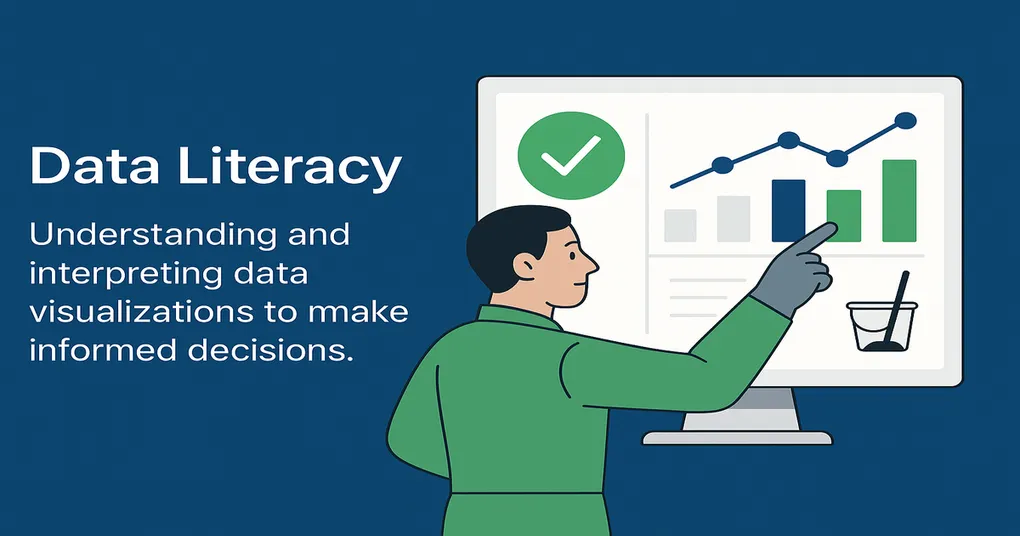
Getting a grip on cleaning practices in aged care starts with grasping the data driving it. For frontline teams, being data savvy means they can read, interpret, and act on cleaning dashboards to keep facilities safe and up to date. Data literacy aged care isn’t just a buzzword—it’s a crucial skill that empowers the folks who clean, manage, and oversee daily operations to up the game for residents and staff alike.
Dashboards tracking cleaning performance offer valuable insight—but only if frontline workers get what those numbers mean and how to make use of them. Here, we’re diving into key cleaning metrics, setting effective thresholds and alerts, integrating data into daily team routines, and why recognition and feedback loops matter in building a culture of quality and accountability.
By sharing real-world examples and hands-on advice, this article helps Facility Managers, Residential Services Managers, Quality Managers, and Hospitality Managers cultivate data skills among frontline teams, boosting both cleaning performance and resident safety.
Core Metrics and What They Mean
Cleaning dashboards are brimming with numbers, graphs, and percentages. For frontline teams and managers, grasping these metrics is crucial because it turns raw data into clear actions.
Key Cleaning Metrics Explained
-
Cleaning Completion Rate
- Shows the percentage of scheduled cleaning tasks finished.
- A rate dipping below a set mark (e.g., 95%) signals missed cleaning rounds.
-
Compliance Percentage
- Checks if cleaning followed a set procedure or checklist.
- Ensures quality standards beyond just ticking off tasks.
-
Missed Tasks
- Flags specific cleaning jobs skipped or delayed.
- Highlights issues or workloads needing attention.
-
Time Per Cleaning Cycle
- Tracks the duration of cleaning a room or zone.
- Assesses efficiency and realism of cleaning timeframes.
-
Disinfection Effectiveness
- Sometimes gauged through swab tests or sensor data.
- Scientifically shows that cleaning effectively reduces pathogens.
Understanding these numbers leads to targeted cleaning efforts. For instance, a rise in missed tasks may signal a need for more training or highlight a staffing issue, while longer cycle times could hint at equipment problems.
Real-World Insight
At a decently sized aged care facility in Melbourne, supervisors found that frontline staff initially struggled to make sense of reports indicating a 10% drop in weekend cleaning completion. Once they recognized that this directly impacted infection risk, staff suggested adjusting shift schedules to meet peak needs. This no-frills change improved weekend cleaning compliance by 15% over two months.
Setting Thresholds and Alerts
Numbers alone aren’t enough to drive improvement. You need clear targets and clever alerts to prompt timely responses without drowning teams in information.
Defining Thresholds
-
Set thresholds for each metric to signal when performance slips below acceptable standards. For example:
- Cleaning completion rate under 95%
- Over 2 missed tasks per shift
- Cycle time exceeding the standard by 15 minutes
-
Thresholds should be realistic, considering facility size, staff, and resident needs. Seek frontline teams’ input for buy-in and feedback.
Using Alerts Effectively
- Set dashboards to send alerts to supervisors and team leads when metrics cross thresholds.
- Alerts might come via SMS, app notifications, or emails.
- Keep alerts actionable—include what the issue is and suggested next steps.
- Avoid alert fatigue by prioritizing critical data and filtering out noise.
Case Example
An aged care home utilized frontline dashboards cleaning to set alerts for rooms not cleaned on time. Alerts went straight to shift leads, who resolved issues within an hour, cutting complaints and dropping infection reports by 20% over six months.
Managers maintain steady quality even during busy times or staffing challenges by monitoring thresholds and collaborating with frontline staff.
Daily 10‑Minute Huddles Using Data
Data packs the most punch when it becomes part of everyday team chats. Short, structured huddles translate dashboard insights into quick, targeted actions.
How to Run Effective 10-Minute Huddles
- Hold daily meets just before or after a shift change.
- Spotlight the frontline dashboards cleaning.
- Review key metrics: cleaning completion, missed tasks, recent alerts.
- Discuss any anomalies or issues and plan immediate fixes.
- Encourage frontline feedback—this unearths hidden issues or workflow improvements.
- Assign clear responsibilities to tackle issues before the next huddle.
Benefits of Data-Driven Huddles
- Keeps data fresh and pertinent to all staff.
- Fosters shared responsibility for cleaning performance.
- Creates a rhythm of constant improvement.
- Allows swift resolutions without formal meetings or delays.
Practical Insight
A residential services manager shared how their daily huddles let cleaning teams explain why certain tasks took longer—often due to resident care needs. Supervisors adjusted schedules, boosting morale and cleaning results.
For frontline teams, seeing their input in daily data chats increases ownership and buy-in.
Recognition & Feedback Loops
Keeping frontline motivation high is key. Recognition linked to measurable outcomes and transparent feedback drives better participation and care standards.
Positive Feedback
- Use dashboards to showcase teams or individuals consistently hitting targets.
- Celebrate successes in daily or weekly meetings.
- Share stories connecting data results with positive resident outcomes.
Constructive Feedback
- Address gaps with supportive coaching, not blame.
- Use data to identify specific behaviors or processes to enhance.
- Craft tailored action plans with frontline staff input.
- Follow up to track progress regularly.
Closing the Loop
- Make sure frontline teams see the fruits of their labor through updated dashboard results.
- Encourage peer recognition based on data insights.
- Use data transparency to build trust and shared goals.
Evidence from Practice
One facility launched a ‘Clean Star Award’ monthly, based on frontline dashboards cleaning data. Teams snagging the award saw a 25% dip in cleaning errors and a morale boost. The performance feedback loop became central to the center’s culture, reducing complaints and boosting inspection scores.
Building Data Literacy in Aged Care
Data literacy doesn’t come naturally. It needs ongoing training and support.
- Educate frontline staff on dashboard basics, how metrics matter, and how data supports their work.
- Hold regular refresher sessions.
- Keep dashboard interfaces simple and user-friendly.
- Appoint data champions within teams to mentor peers.
- Use real examples and invite questions.
Enhancing data literacy in aged care not only improves cleaning results but also boosts facility quality, compliance, and resident wellbeing.
Trust, Compliance, and Data Security
Aged care data systems gotta follow privacy and health regulations like the Australian Privacy Principles (APPs). Managers should ensure cleaning dashboards:
- Utilize secure access controls limiting data visibility.
- Store data within compliant systems.
- Maintain audit trails showing data entry and edits.
- Clearly communicate data use to staff for transparency.
These steps build trust with frontline teams and residents, safeguarding sensitive info.
For more insights on evidence-based cleaning solutions and standards, check out Asepsis.
Conclusion
Data literacy aged care isn’t a nice-to-have anymore. Frontline teams who grasp and utilize cleaning dashboards enhance hygiene quality, reduce risks, and promote resident safety. By focusing on core metrics, setting clear thresholds and alerts, embedding data in daily huddles, and fostering recognition loops, aged care facilities transform data into tangible improvements.
Facility Managers, Residential Services Managers, Quality Managers, and Hospitality Managers play a crucial role in nurturing data skills and supporting frontline teams.
Besides, you want to boost your frontline teams’ data literacy? Start by simplifying dashboards and holding daily data-driven huddles. Use clear thresholds to trigger timely actions and celebrate success to keep spirits high.
Ready to equip your frontline teams with effective data literacy and improve cleaning outcomes? Reach out to experts in aged care cleaning systems or explore resources at Asepsis to get started today.